Background
As technology provides many benefits to traditional social interactions and growth; it also can be a catalyst of harm in how children play and interact socially as they mature.
Project Goal
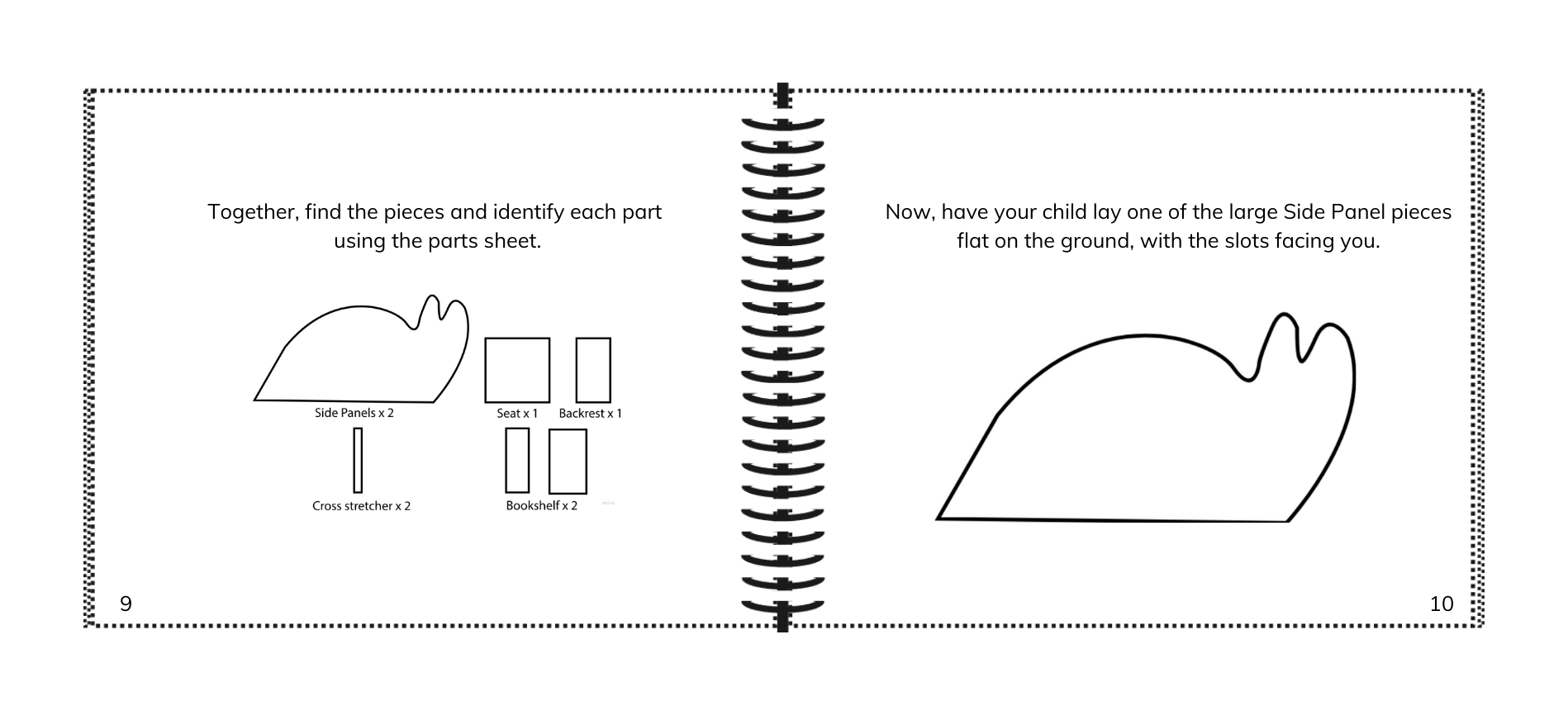
Develop a solution with a focus on how design can promote the importance of play and growth within a parent-child relationship through assembling furniture with an accompanying instructional piece to form youth development.
Jerry Anglin - Interaction Designer
My Role
Timeframe
December 2022 - May 2023
"The overuse of screens can cause children to miss out on critical social and emotional experiences that are essential to bonding with their parents and developing healthy relationships."
Common Sense Media. (2022). Screen Time and Children
At a glance…
"The excessive use of digital devices can interfere with parent-child interactions, leading to less parent-child bonding and less healthy child development."
Lerner, C. & Barr, R. (2014). Screen Sense: Setting the Record Straight. Psychology Today
This is where I spent the least amount of time in my research as I kind of already knew this was an issue from my own observations and reading, but I wanted to dive a little deeper into what some groups and experts were saying on this subject. Primarily asking:
What ways can we engage children without technology?
Research
This is where I spent the bulk of my time researching the space and here are some quick points to keep in mind as you go through this section:
• Unstructured play and structured play are the main types of play
• Play is key to children’s learning, development, confidence and wellbeing
• Variety in play is important because it helps with all areas of children’s development
• As children grow, the way they play changes
Play creates a central pathway for your child’s learning and development. Play gives children different sensory, physical and cognitive experiences. Experiences build connections in the brain, which helps the children develop physically, cognitively, socially and emotionally. Play can result in building confidence, feeling loved, and better developing social, communication and language skills.
Physical and Digital Prototyping
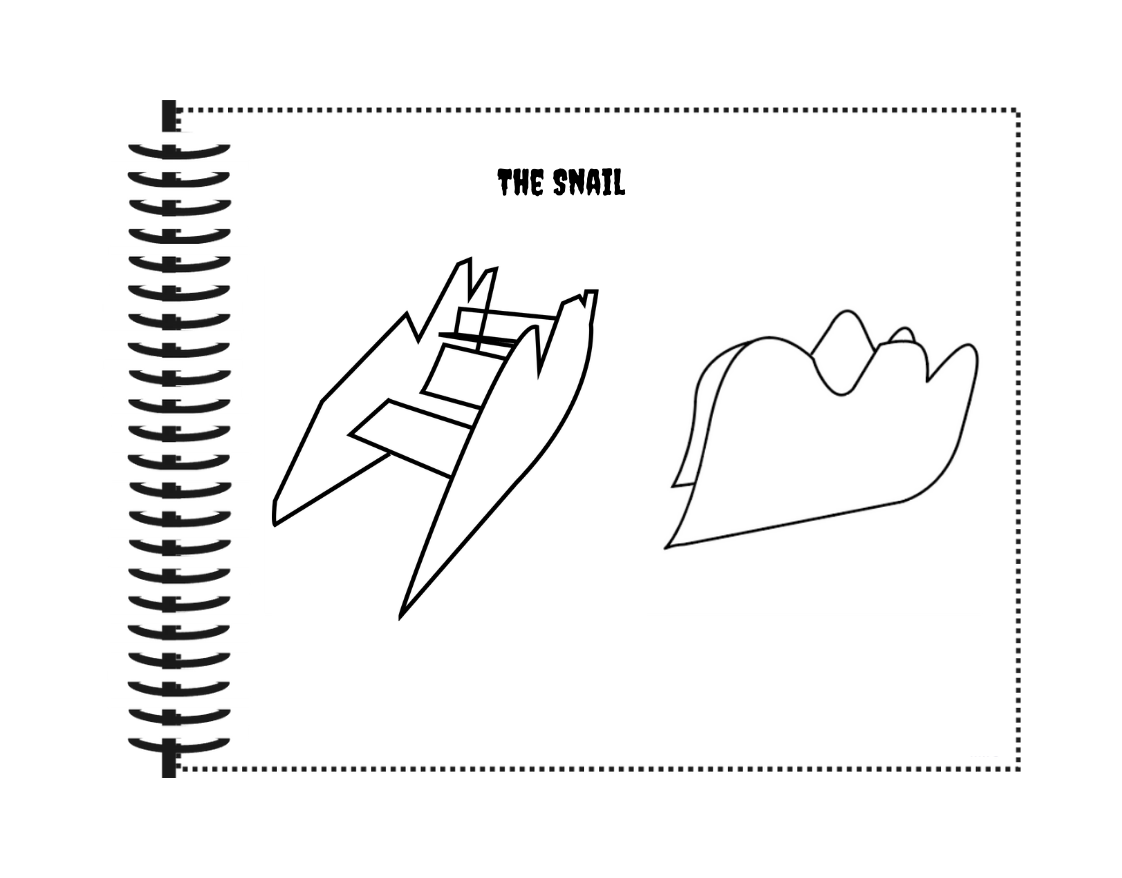
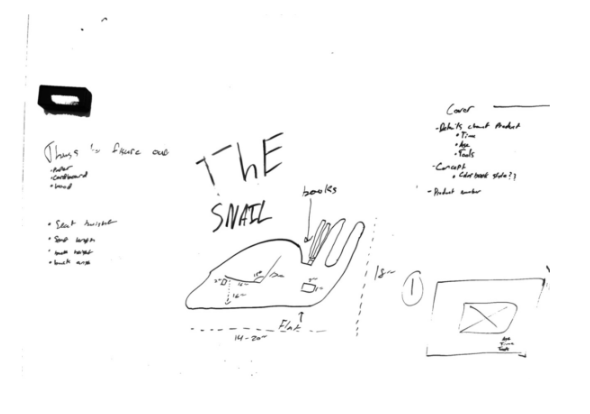
I began sketching some concepts for what product I would want to facilitate this parent / child bonding. From this I look at existing furniture and pieces that are usually used in schools and daycares, while settling on doing something animal based. The actual piece of furniture is merely a vessel as the piece that really needed to be nailed was the accompanying instructional material.
Think-aloud Prototyping
Objective
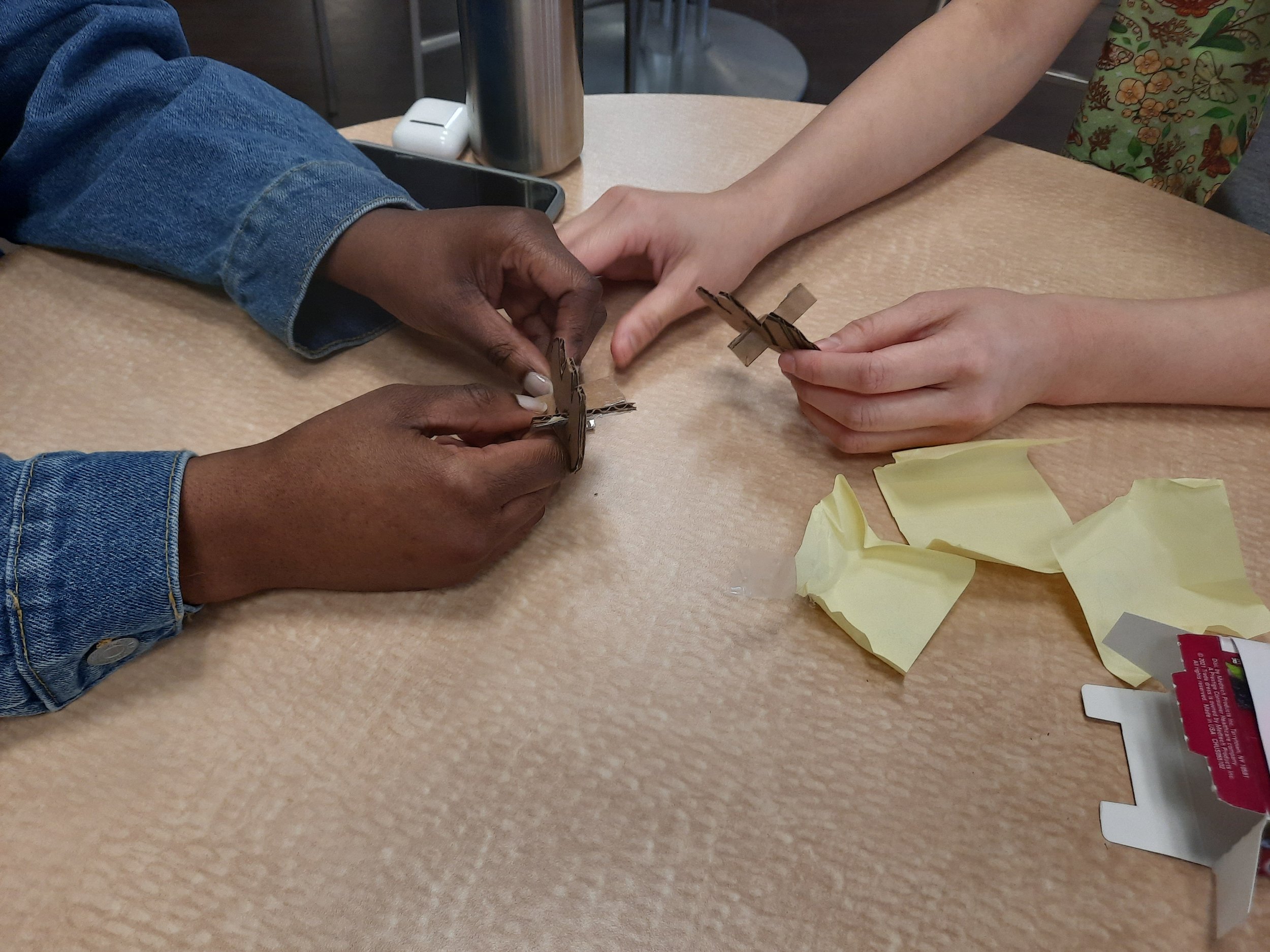
To have participants construct a cardboard prototype of the concept with any accompanying instructions.
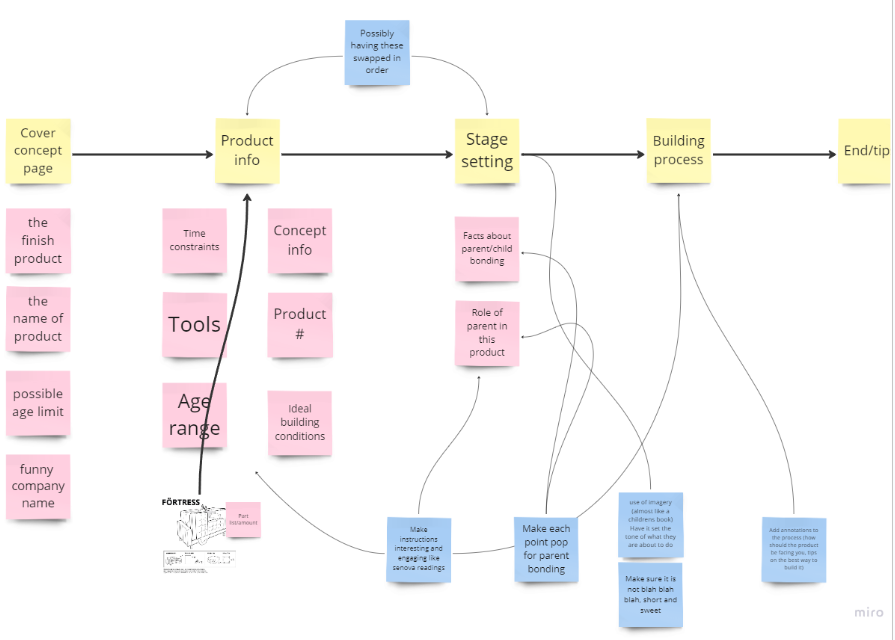
Then creating a flow map of possible instructions with their assistance based on their experience building the product.
Rationale
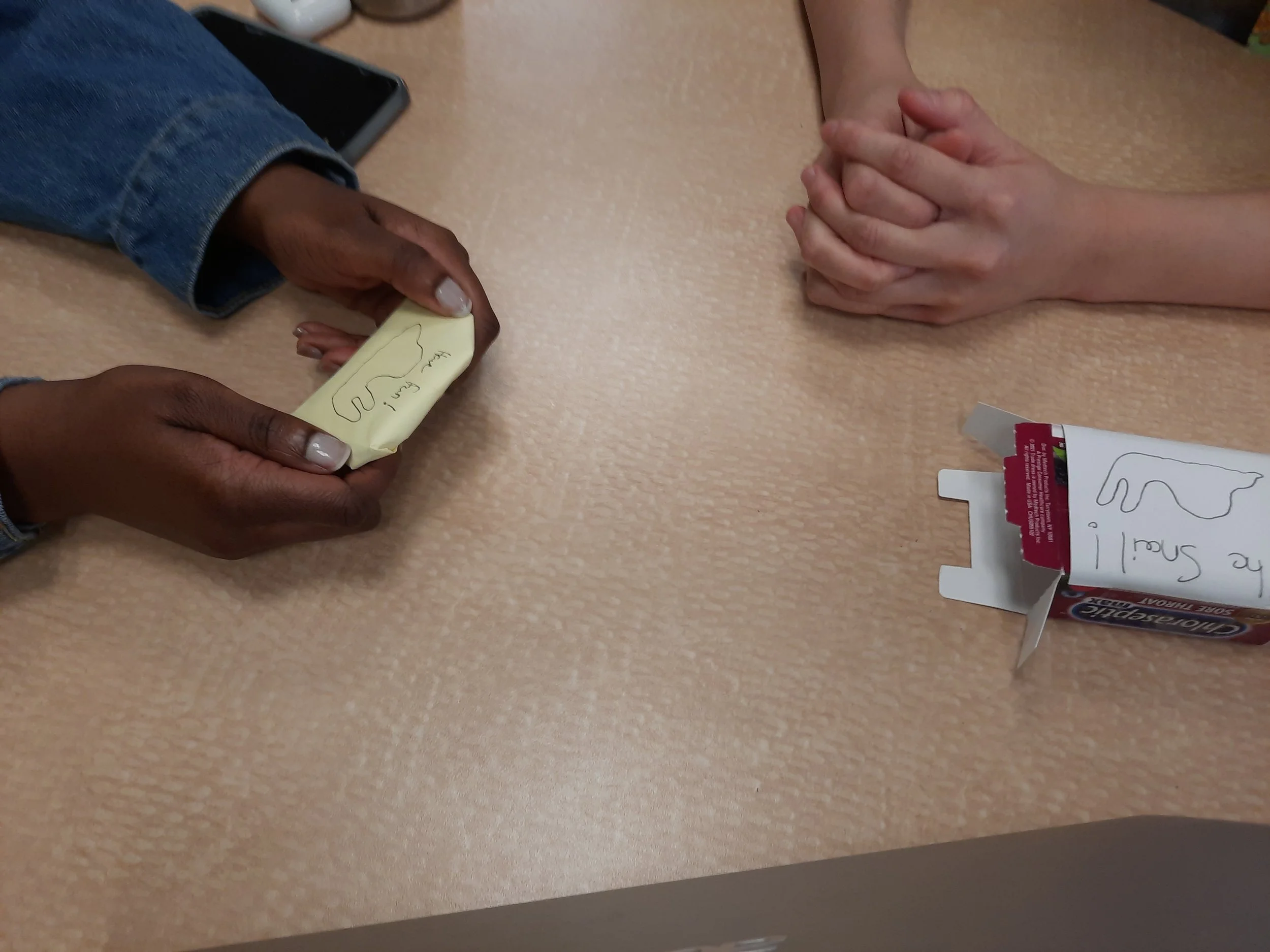
The thinking behind this was that I primarily wanted to see how participants thought about the varying pieces and how they should go about assembling the prototype without any instruction. I also wanted to observe how two people approach building one thing together and what sort of decision and roles they might assume in this process
Takeaways
• Some trouble identifying the various parts of the piece, so thinking about introducing the parts and what they do could be beneficial.
• Better understood how differing perspectives of assembly work with the concept.
• Observed how two people interact when building something together and how to instill that better in final instructions.
Instructional Flow
Following the think-aloud testing, I created an instructional flow around how the manual would go and the various stages within it, with the blue sticky notes being dedicated to feedback from my earlier testing. The important part of this flow is primarily in the yellow sticky labeled “Stage setting”, which has to do with the actual initial designs around getting the parent & child bonding interactions started.
Final Design